When you picture a workplace injury, you probably picture a construction site that involves lifting heavy things…not sitting in a Herman-Miller knockoff for 8 hours.
But musculoskeletal disorders are the single largest category of work-related injury in the United States, accounting for roughly 30% of all serious workplace injuries involving days away from work.
The Injury You Cannot See
Musculoskeletal disorders build slowly, through thousands of tiny repetitions of the same posture, the same forward head tilt, the same wrist angle on the same mouse.
By the time you notice a stiffening neck, tighter forearms, and a recurring Tuesday afternoon back pain flare up, the underlying tissue damage has already been done.
A study of office workers in Occupational Medicine found that 63% reported musculoskeletal symptoms in the past year, most often in the neck, lower back, and shoulders.
So if you found yourself massaging that spot while reading this, know you are very much not alone.
What Is Actually Happening to Your Body
When you sit for long stretches, several things change in your tissues:
- Your hip flexors shorten. The deep stabilizers of your spine deactivate. Pressure inside the lumbar discs increases compared with standing or walking.
- Your shoulders round forward as you reach for a keyboard. Your upper traps and levator scapulae fire constantly to hold your head over a screen that sits below eye level.
- Your wrists rest in extension on a keyboard, slowly compressing the median nerve at the carpal tunnel.
And these little things build up. Repetitive low-grade strain causes microscopic damage faster than tissue can repair it. The result is tendinopathy, nerve entrapment, disc degeneration, and chronic myofascial pain.
In other words, the injuries are very much real, but stretched on a long timeline, from a job that does not feel physical.
Ask Your Employer for What You Need
Most mid-sized and large employers have ergonomic budgets that quietly go unused because nobody asks.
If that pain is slowly creeping up year after year, consider our handbook of reasonable requests that are researched, well-documented, and well worth bringing up:
- A sit/stand desk. Alternating between sitting and standing meaningfully reduces lower back discomfort in randomized trials. Many people wrongly interpret the purpose of a standing desk: standing all day is not the goal, alternation is.
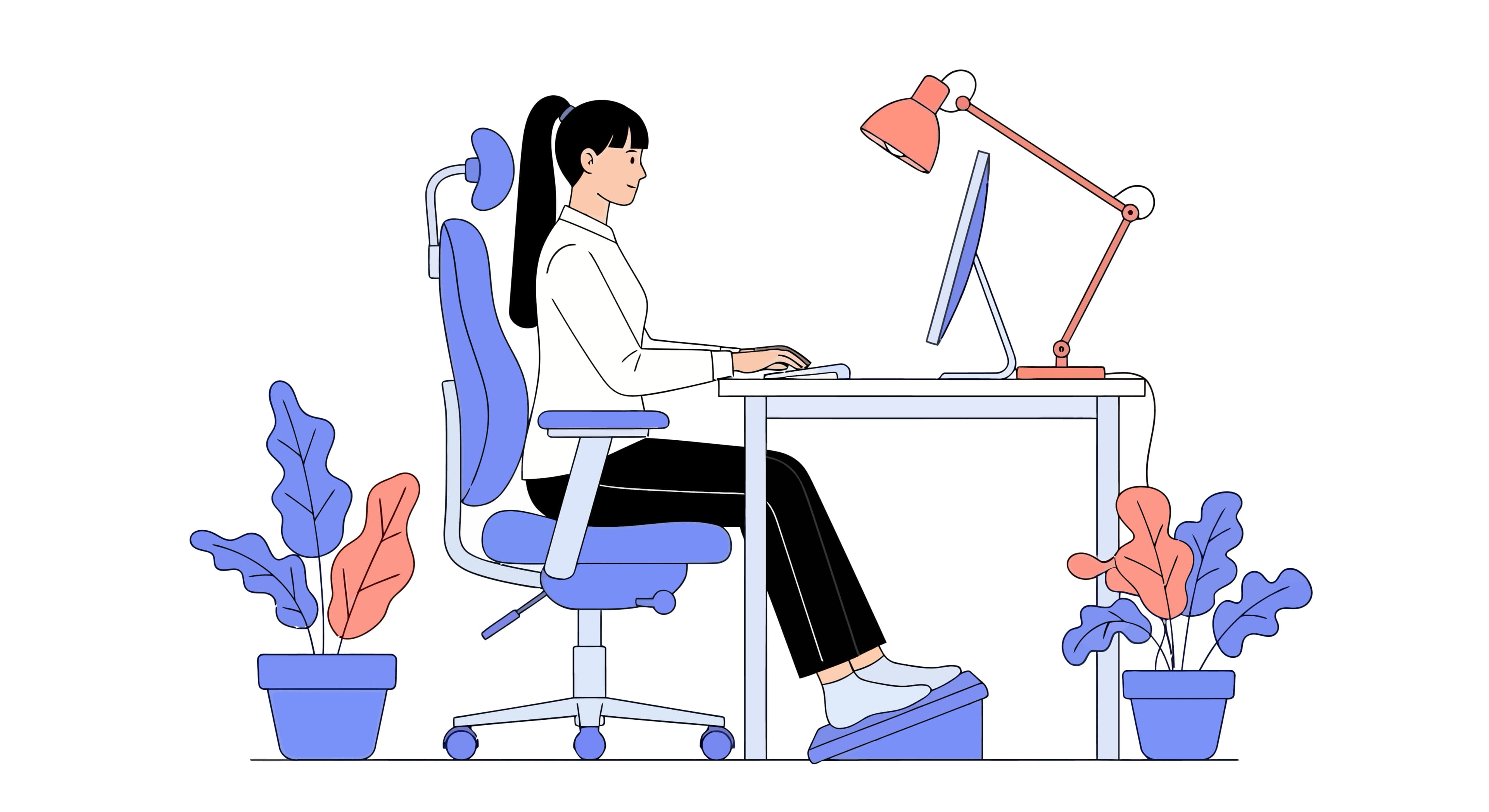
- A proper chair, properly adjusted. Lumbar support, adjustable armrests, and seat height that lets your feet sit flat on the floor.
- Movement culture. Workplace cultures that prioritize staff wellbeing will also recognize the importance of accepting walking meetings, standing during calls, and short stretch breaks see materially lower MSD incidence—let the evidence talk.
- Specific equipment. A vertical mouse. A keyboard tray. A footrest. An external monitor at eye level. Name the items individually when you ask. Vague requests get vague answers.
What to Do on Your Own
No employer's ergonomic budget, however, can rescue a body from poor daily habits.
The most evidence-supported personal practices are simpler than the wellness industry may have you believe.
- Move every 30 to 45 minutes. Set a timer. Stand up. Walk to the water cooler. The body adapts to whatever position it spends the most time in, so changing positions often beats finding a perfect one.
- Train opposing muscles. Desk work shortens the front of the body and weakens the back. Two or three weekly sessions targeting rows, deadlifts, glute bridges, and thoracic extension counter the dominant pattern.
- Walk daily. Step counts in the modest range reduce musculoskeletal complaints in sedentary workers. You don't need 10,000 to make stepping outside feel worth it.
- Address sleep posture. A pillow that holds your cervical spine in neutral matters more than most people realize.
- Manage stress. Cortisol and chronic pain travel together. Stress increases muscle guarding, which accelerates microtrauma in tissue that is already strained.
Everyone has an opinion on what works—do what works for you.
When Pain Deserves a Closer Look
While most desk-related aches resolve with movement, sleep, and time, some do not.
Pain that persists beyond six weeks, that radiates into a limb, that wakes you from sleep, or that brings numbness, weakness, or lost function, deserves imaging.
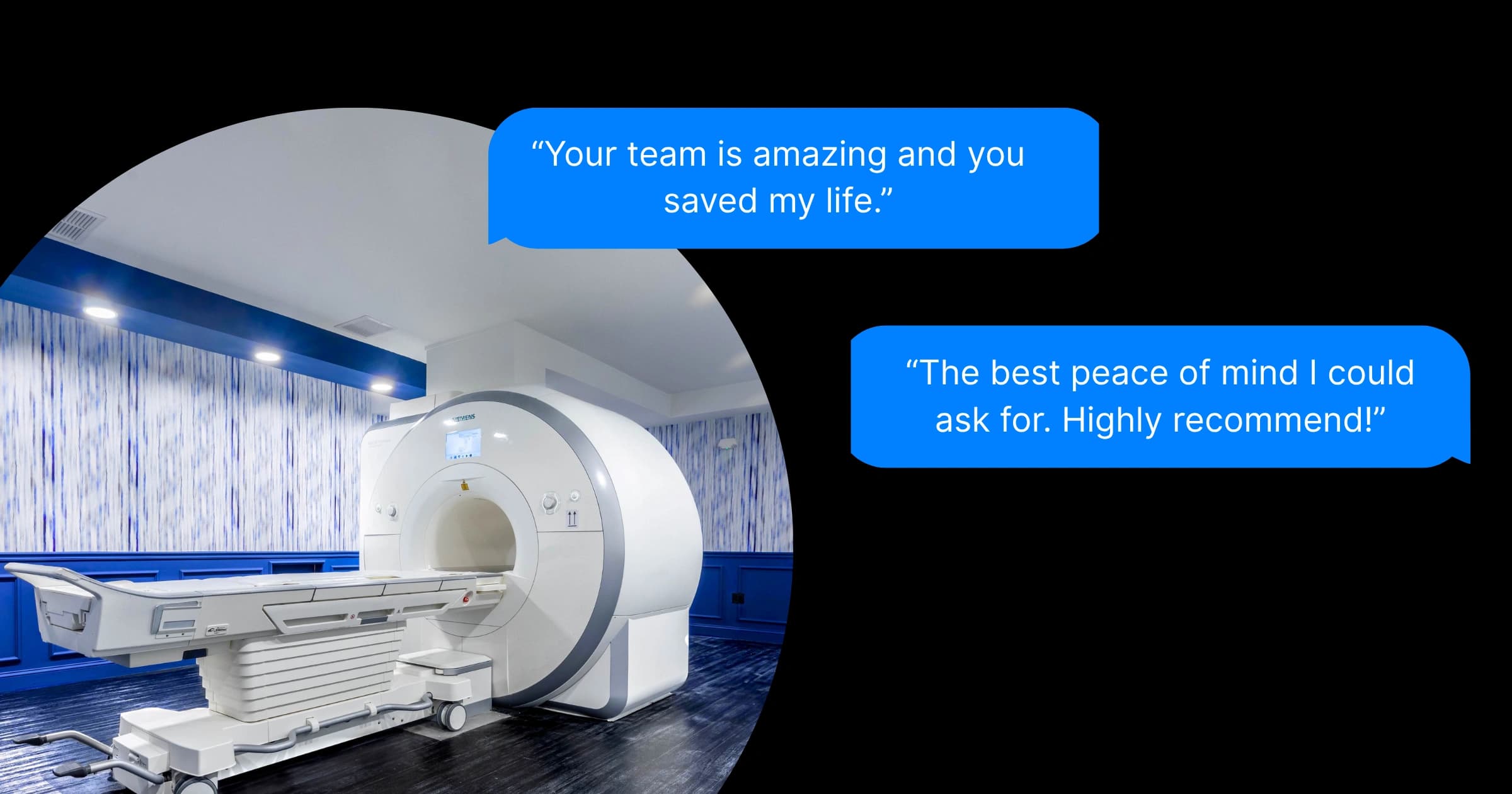
For soft tissue, nerve, and disc problems, MRI is the imaging gold standard.
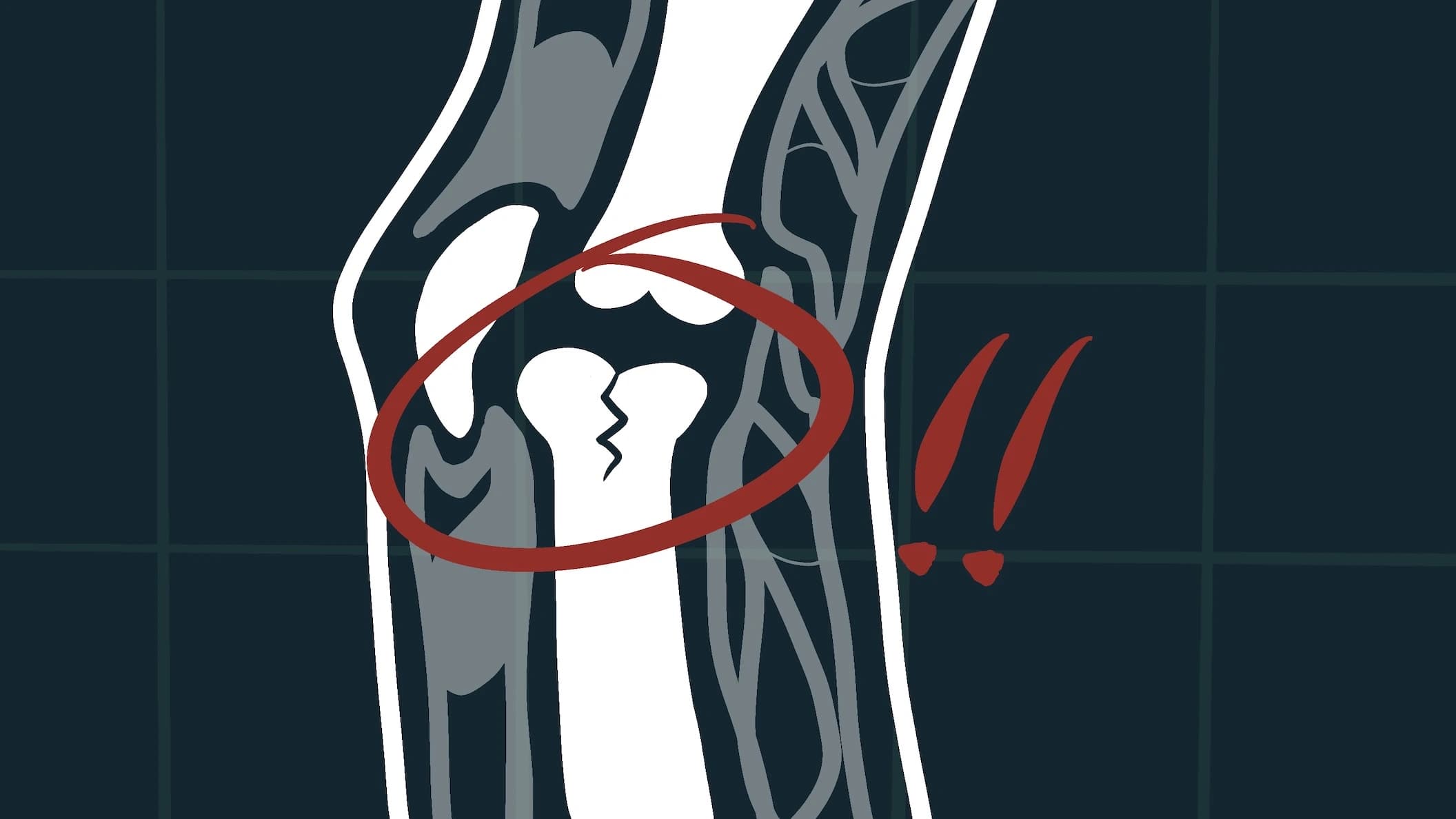
X-rays show bone well, but they reveal almost nothing about the soft structures that most often go wrong, including discs, ligaments, tendons, nerves, and muscles.
A modern MRI can detect a bulging disc compressing a nerve root, a torn rotator cuff tendon, or early degenerative changes in the cervical spine with a level of detail no other test offers.
This matters because treatment depends on knowing the actual problem. Many ailments can produce the same pain: a herniated disc, a labral tear, and chronic muscle tension can all produce similar shoulder pain, but they require very different management. False leads can become costly both physically and financially in the long run, all things considered, taking a careful look is cheaper than it sounds.
The Honest Caveats
A few things deserve direct acknowledgment.
Not every ache needs an MRI. Imaging too early often finds incidental changes that exist in plenty of pain-free adults and can lead to unnecessary worry. The same disc bulge is a clinical finding in one person and a meaningless picture in another.
Ergonomics is a partial solution. While workplace adjustments lower risk, they do not eliminate it. The person with a perfect chair who never moves outside of work is still at risk—live proactively where possible and prioritize health through exercise.
Recovery is slow. Office MSDs build over years and resolve over months. Skepticism toward any quick-fix protocol is warranted.
The Bottom Line
Office work is not as benign as it looks—it is taxing and produces real injuries on a long timeline, usually without a clear moment of damage.
The people who stay healthy across a long career tend to share a few habits. They move often and train deliberately. They equip themselves with the tools that protect and empower them. And when something hurts and does not get better, they consult professionals to get a clear picture of what is actually going on, instead of guessing.
At the end of the day, the desk is not the enemy, pretending it is harmless is.
Further Reading
National Institute for Occupational Safety and Health. Ergonomics and musculoskeletal disorders. Centers for Disease Control and Prevention. link
Hedge, A. Cornell University Ergonomics Web (CUErgo): Office ergonomics resources. Cornell University. link
Harvard Health Publishing. The dangers of sitting: Why sitting is the new smoking. Harvard Medical School. link
Owen, N., Sparling, P. B., Healy, G. N., Dunstan, D. W., & Matthews, C. E. (2010). Sedentary behavior: Emerging evidence for a new health risk. Mayo Clinic Proceedings, 85(12), 1138–1141. link
References
[1] Brinjikji, W., Luetmer, P. H., Comstock, B., Bresnahan, B. W., Chen, L. E., Deyo, R. A., Halabi, S., Turner, J. A., Avins, A. L., James, K., Wald, J. T., Kallmes, D. F., & Jarvik, J. G. (2015). Systematic literature review of imaging features of spinal degeneration in asymptomatic populations. American Journal of Neuroradiology, 36(4), 811–816. link
[2] Janwantanakul, P., Pensri, P., Jiamjarasrangsi, W., & Sinsongsook, T. (2008). Prevalence of self-reported musculoskeletal symptoms among office workers. Occupational Medicine, 58(6), 436–438. link
[3] Karakolis, T., & Callaghan, J. P. (2014). The impact of sit-stand office workstations on worker discomfort and productivity: A review. Applied Ergonomics, 45(3), 799–806. link
[4] Shrestha, N., Kukkonen-Harjula, K. T., Verbeek, J. H., Ijaz, S., Hermans, V., & Pedisic, Z. (2018). Workplace interventions for reducing sitting at work. Cochrane Database of Systematic Reviews, 6(6), CD010912. link
[5] U.S. Bureau of Labor Statistics. (2023). Employer-reported workplace injuries and illnesses, 2022. U.S. Department of Labor. link
[6] Wilke, H. J., Neef, P., Caimi, M., Hoogland, T., & Claes, L. E. (1999). New in vivo measurements of pressures in the intervertebral disc in daily life. Spine, 24(8), 755–762. link