
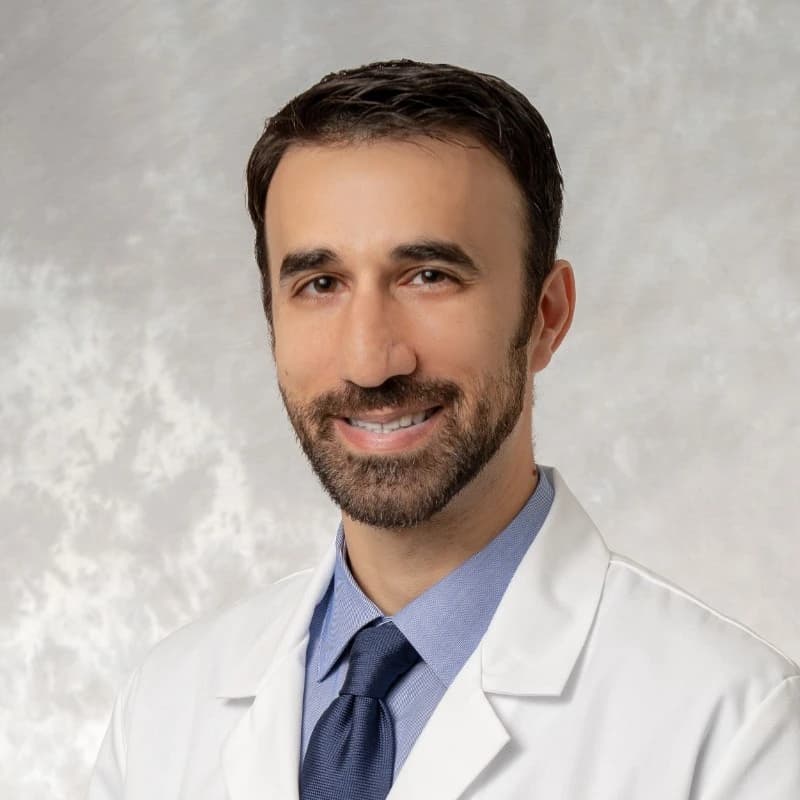
Oliver Abela, MD
Director of Cardiology
A good doctor treats the disease; a great doctor treats the patient who has the disease. - William Osler
Backstory
I knew I wanted to be a cardiologist the moment I witnessed my first cardiac catheterization. Watching a physician navigate the intricate vessels of the heart, restoring blood flow in real-time – it combined precision with the immediacy of saving a life. I was hooked.
I'm one of the few cardiologists in the country fellowship-trained and board-certified in both Interventional Cardiology and Advanced Heart Failure. Most physicians choose one path. I chose both because I wanted to understand cardiac disease from every angle – from the first signs of plaque formation to the complex management of a failing heart.
My research focuses on why hearts fail and how we can intervene earlier. I've studied plaque rupture mechanisms involving cholesterol crystals, served as investigator on clinical trials for mechanical circulatory support, and sit on steering committees for heart failure therapies. As an editor for Interventional Cardiology and an assessment committee member for the Certification Board of Cardiovascular Computed Tomography, I stay at the forefront of our field.
I've held multiple Medical Director roles and performed hundreds of structural heart procedures – TAVR, MitraClip, left atrial appendage closures. But what drives me the most now is more fundamental – finding and preventing heart disease before it strikes.
Why Proactive Medicine?
I've spent years responding to cardiac emergencies – acute heart attacks, cardiogenic shock, completely blocked arteries. Seconds matter, and advanced techniques save lives. But over time, a question began to weigh on me: what if we could have found this sooner?
Most cardiac events don't happen without warning. Plaque builds silently for years, sometimes decades, before rupturing. The heart tells its story long before symptoms appear – we just haven't had the tools to listen precisely enough. Until now.
Coronary CT angiography has changed everything. As a Level II cardiac scan reader, I can visualize coronary arteries with extraordinary detail – identifying not just blockages, but the composition and vulnerability of plaque itself. When paired with AI analysis, we unlock patient-specific insights that were impossible just years ago: precise measurements of stenosis, plaque characterization, and risk stratification tailored to the individual.
For the first time, we can offer truly personalized treatment at any stage of coronary artery disease – from aggressive prevention in early disease to optimized intervention planning in advanced cases. I've seen too many patients whose first symptom was a massive heart attack. Proactive coronary CT angiography screening means we find the problem, understand its severity, and act – on our terms, not in an emergency.
Personal Side
Ready to Take Control of Your Health?
Book a comprehensive MRI scan with our expert team and discover what Oliver Abela, MD and our other physicians can do for your health.